


From Blue Puglia: Cleaner Seas, Active Citizenship, and a Shared Commitment to Life
Is it possible to clean and revitalize the seas—together with the human communities and institutions that surround them? In my region, Puglia, this is already happening. And the results are visible.
For years, I have attended international meetings on oceans and marine protected areas. I have spoken with artisanal fishers, scientists, and maritime authorities to understand how we can contribute—from different fronts—to improving the health of our waters and the life they sustain.
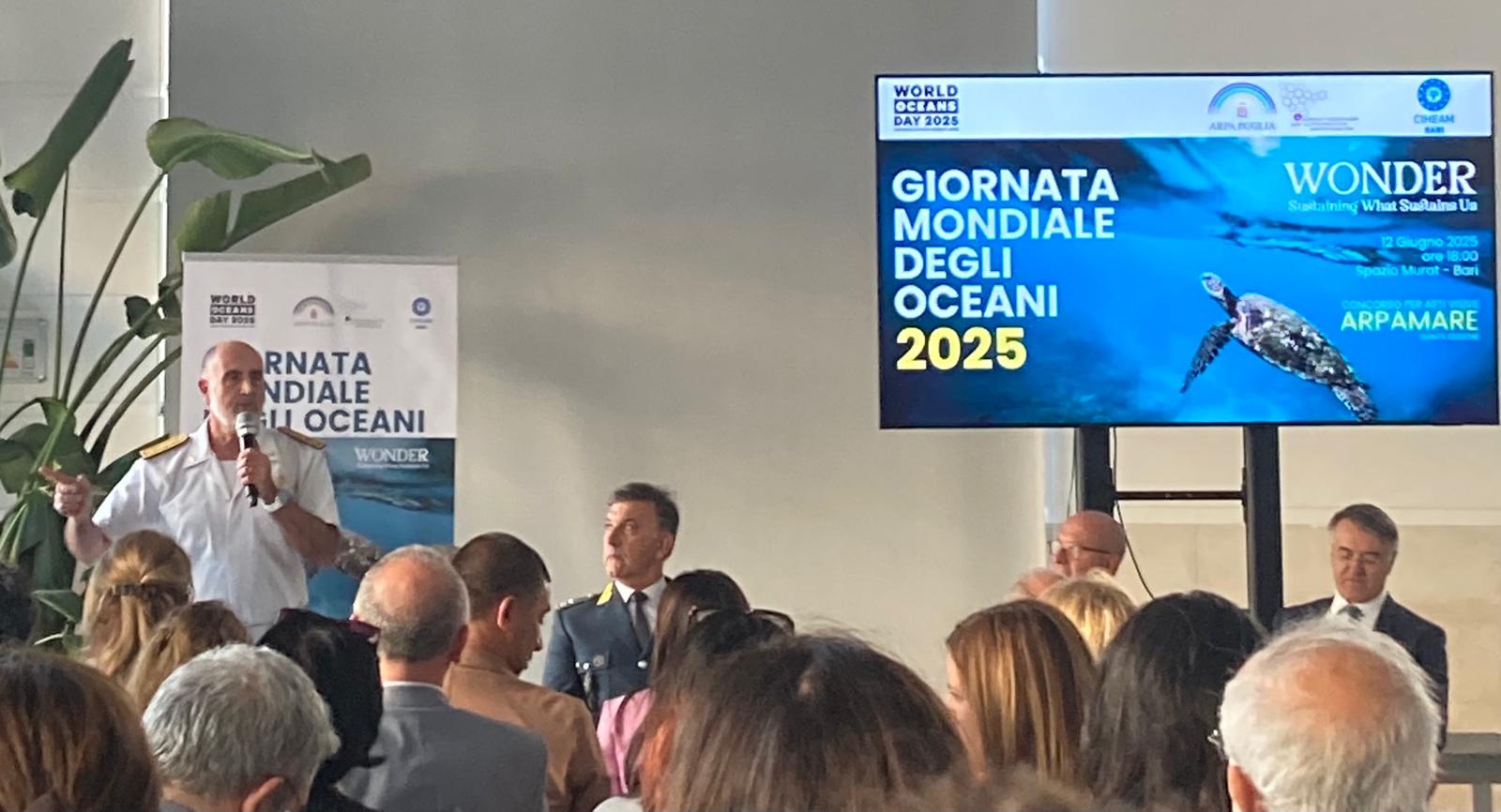
On June 12th, to mark World Oceans Day, the city of Bari—where I live—hosted a memorable gathering, organized by ARPA Puglia (Regional Agency for Environmental Protection) together with CIHEAM Bari. I confess I attended more out of vocation than conviction. But, as often happens, I was wrong.
First Surprise: Good News!
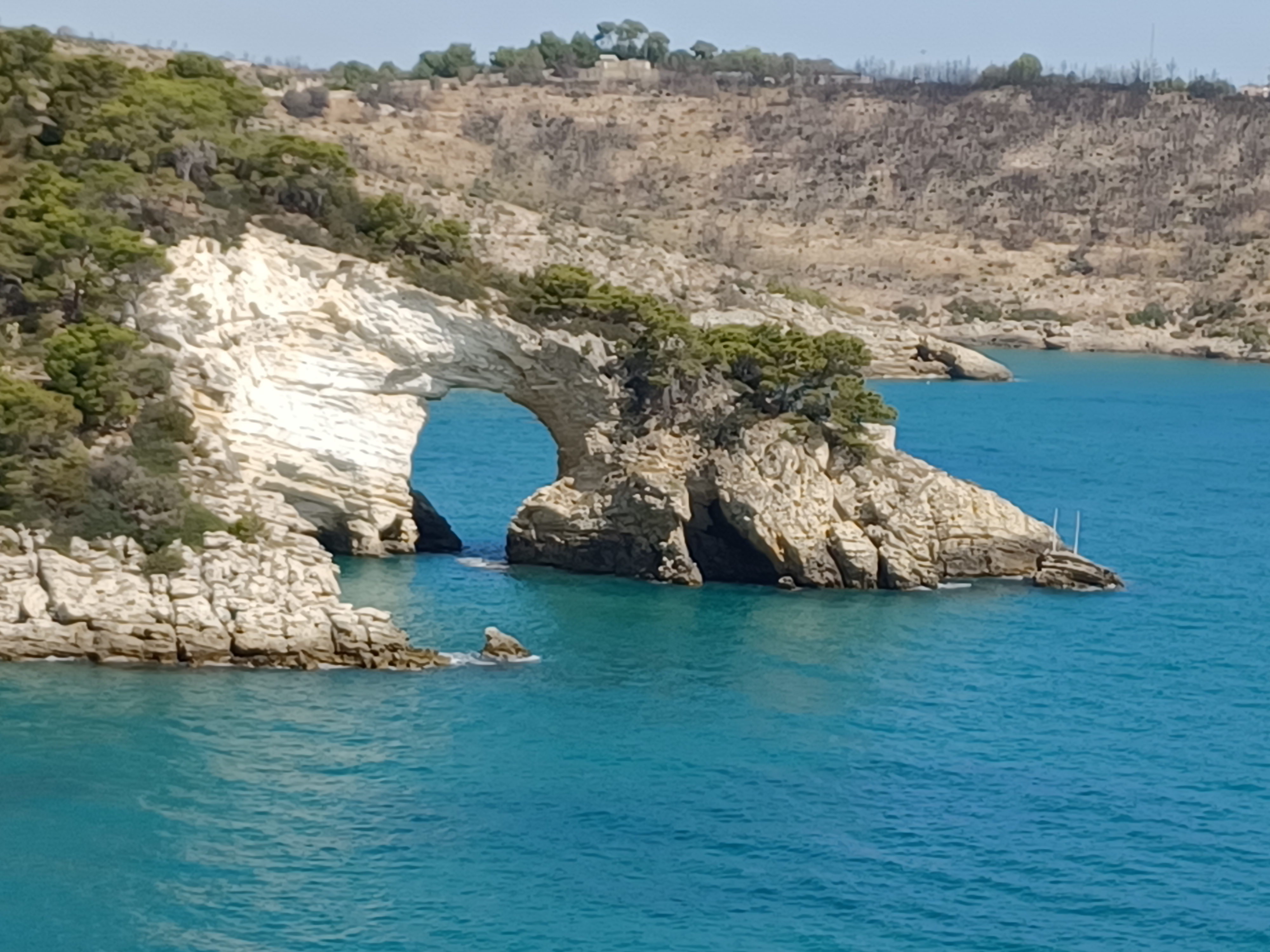
Far from laments and catastrophism, the interventions were brief, precise, and full of encouraging data. Over the past 20 years, water quality has steadily improved, and today Puglia is the region with the cleanest sea in Italy.
Cleaner for summer visitors (here, the season is just beginning, and more than 8 million tourists make intensive use of the sea for four months), but also cleaner in terms of plastic pollution (decreasing year after year), and other progressive indicators. A first, very pleasant surprise.
Second Surprise: The Military as Allies of the Sea
Yes, the military. An admiral of the navy and a commander of the Guardia di Finanza actively took part in the meeting. In just a few minutes, they explained their work for the sea and their collaboration with civilian forces.
The admiral—particularly pedagogical—explained that the region had three absolute advantages, which are the key to its success regarding seawater quality:
-
The absence of large rivers, which elsewhere carry human pollution into the sea.
-
Massive investments in wastewater treatment systems, now in place in almost every urban area. These substantially remove contaminants and recycle water for coastal agriculture, which in turn benefits the marine ecosystem.
-
A slowly but steadily growing awareness and responsible behavior among citizens and marine operators alike—engaging ports, commercial ships, fishers, leisure boats, divers, hotels, schools, and artists in the defense of the marine ecosystem.
The Guardia di Finanza, for its part, is a military body with a broad mandate to fight economic and environmental crimes (smuggling, tax evasion, seizures, extortion, etc.). It has air, naval, and land forces. For the Commander, the sea is a vital part of the economy—especially in this region, where half of family incomes are generated during the summer season.
Their mission includes preserving the biological and cultural heritage that belongs to both present and future citizens, as well as ensuring legality in business activities and preventing violence and crime. This is why their ships (and those of the Navy) are the ones that transport ARPA scientists to conduct water sampling and quality monitoring.
Apparently, both institutions even train their cadets in biological and social sciences, to better understand and act upon the biotic and socioeconomic systems of coastal areas. Their presence at the event—and their exchanges with other actors—made it clear that they have been working together for some time, learning from one another.
Third Surprise: Investing in Environment and Culture Works
Municipal and regional authorities for environment and culture agreed on something crucial: the practical value of investing in culture, awareness-raising, recycling, and the protection of archaeological, religious, and biological heritage, as part of a new society and economy that privileges the blue.
This is not a luxury, but a necessity to build a regenerative blue economy.
Such proposals are far from the outdated vision of seas and inland waters as mere sources of extraction—of marine life and as dumping grounds for waste; a predatory mindset that still prevails in many of our communities, businesses, cities, and governments. Today, it is no longer about taking from the sea, but about coexisting with it.
Authorities in environment and culture, together with Confindustria, research centers, fishers’ associations, hotels, and restaurants, are promoting investments in the blue economy—not only punctual, extractive, and specialized, but as new threads in a woven, symbiotic socio-economic ecosystem, where each actor thrives by supporting the other.
The Cultural Councillor calls it the “Community of the Sea”—and all of us can be part of it: athletes, shipowners, musicians, gastronomists, fishers, and every actor in each territory.
And a Closing to Remember
Alberto Lucca, great white shark expert, underwater photographer, and writer, closed the event with a powerful call. He reminded us that caring for the seas is both an ethical and practical imperative, for all life depends on them.
He asked us, the audience, to take two deep, conscious breaths in absolute silence. Then, he said:
“One of those two breaths you just took, you owe to the seas, which produce 50% of the oxygen we breathe.”
And so we left that room: more connected, more aware, and above all, more responsible.
By Roberto Haudry de Soucy
Co-Founder & Chief Climate Action Officer, Fundación Capital
Leave a Reply